
The Story of Kinnauri Apples: From the Himalayas to the World
Nestled in the remote valleys of Kinnaur, Himachal Pradesh, where snow-clad peaks touch the sky and the Sutlej River carves its way through rugged mountains, grows one of India’s most prized fruits—the Kinnauri Apple. More than just a fruit, the apple has transformed the economy, culture, and identity of Kinnaur over the last century.
Before Apples: The Traditional Economy of Kinnaur
Before the arrival of apple cultivation, the people of Kinnaur primarily depended on agriculture, animal husbandry, and trade with Tibet. Farmers cultivated crops such as barley, buckwheat, millet, peas, and rajmah on terraced fields carved into steep mountain slopes. Life was challenging due to the harsh climate, limited arable land, and geographical isolation.
Trade routes connecting India and Tibet played a crucial role in the local economy. Kinnauris exchanged wool, salt, and other goods, but economic opportunities remained limited.
The Arrival of Apple Cultivation
The story of apples in Himachal Pradesh began in the early twentieth century with Samuel Evans Stokes, later known as Satyanand Stokes. In 1916, he introduced high-quality apple varieties from the United States and demonstrated that the Himalayan climate was ideal for commercial apple production.
Although the earliest orchards were established in the Shimla region, the success of apple cultivation soon spread to Kinnaur. Farmers recognized that the district’s high altitude, cold winters, abundant sunshine, and mineral-rich soil were exceptionally suited for growing premium apples.
Why Kinnaur Became Famous for Apples
Kinnaur possesses unique natural conditions that produce apples of extraordinary quality:
High altitude between 2,000 and 3,500 meters.
Cold winters necessary for proper chilling and fruit development.
Large day-night temperature variation that enhances sweetness and color.
Pure glacier-fed irrigation water.
Clean Himalayan air and fertile mountain soil.
These factors give Kinnauri apples their characteristic:
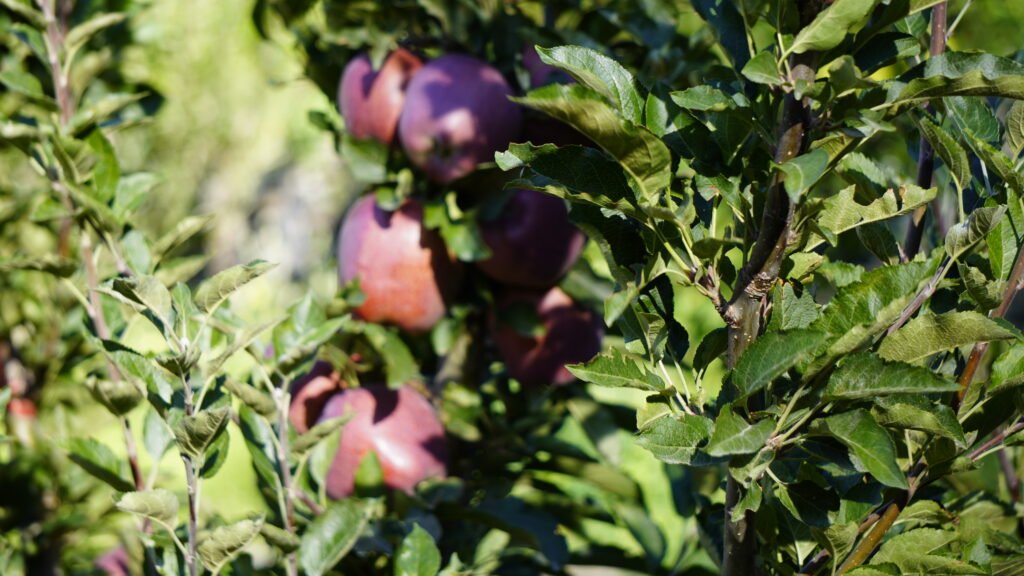
Deep crimson red color.
Crisp and juicy texture.
High natural sugar content.
Distinct aroma and flavor.
Longer shelf life compared to many other varieties.
The Rise of the Kinnauri Royal Apple
By the 1960s and 1970s, apple orchards had become increasingly common across Kinnaur. Farmers gradually shifted from traditional crops to horticulture because apples offered significantly higher returns.
Among the various cultivars grown in the region, the Royal Delicious variety became particularly successful. Over time, consumers and traders began referring to these premium fruits as Kinnauri Royal Apples because of their superior color, taste, and quality.
The Royal Apple became synonymous with Kinnaur itself. During harvest season, entire families participated in picking, sorting, grading, and packing apples, creating employment and strengthening local communities.
Economic Transformation of Kinnaur
The apple revolution dramatically changed Kinnaur’s economy:
Household incomes increased substantially.
Education levels improved as families could afford better schooling.
Infrastructure such as roads and transportation expanded.
Modern housing replaced many traditional structures.
New business opportunities emerged in packaging, transportation, and trade.
Apple cultivation transformed Kinnaur from a relatively isolated mountain district into one of India’s most prosperous horticultural regions.
Challenges and Adaptation
In recent decades, Kinnauri apple growers have faced several challenges:
Climate change affecting snowfall patterns.
Rising temperatures in some growing areas.
Pest and disease pressures.
Competition from imported apples.
To overcome these challenges, farmers have adopted modern horticultural techniques, improved irrigation systems, high-density plantations, and better post-harvest management while preserving traditional farming knowledge.
Kinnauri Apples Today
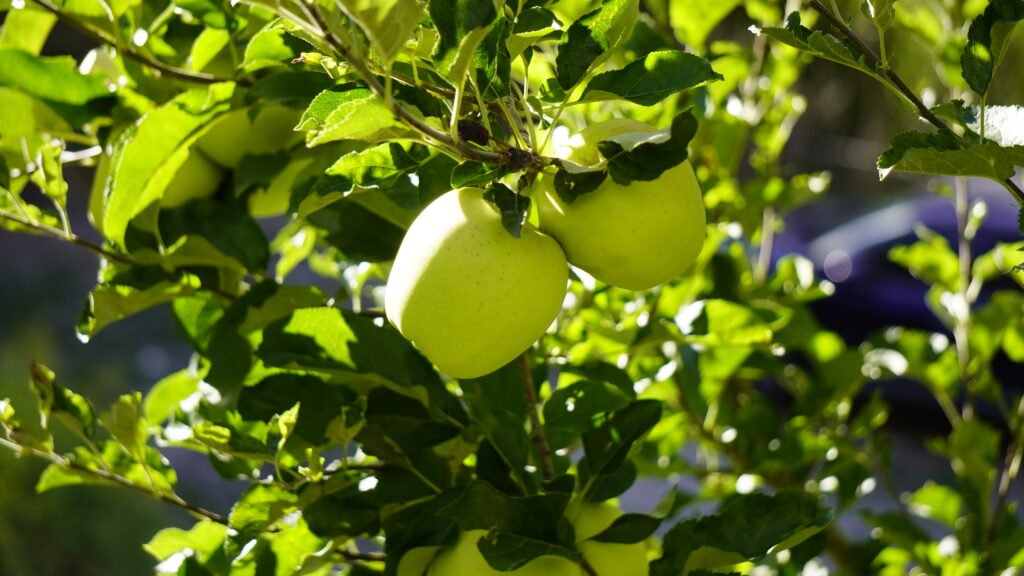
Today, Kinnauri apples are regarded as a premium Himalayan product across India. They are celebrated for their natural sweetness, crisp texture, and exceptional quality. Every harvest season, apples from Kinnaur travel from remote mountain orchards to markets throughout the country.
For the people of Kinnaur, the apple is more than a crop—it is a symbol of resilience, prosperity, and a deep connection with the Himalayas. Each apple carries the story of generations of farmers who nurtured their orchards amidst some of the world’s most breathtaking landscapes.
Oshi Nor Heritage Story
“Born in the pristine valleys of Kinnaur and nurtured by the snow-fed Himalayas, Kinnauri Royal Apples represent a century of dedication, tradition, and natural excellence. Every apple reflects the hard work of mountain farmers, the purity of Himalayan nature, and the timeless heritage of Kinnaur.”
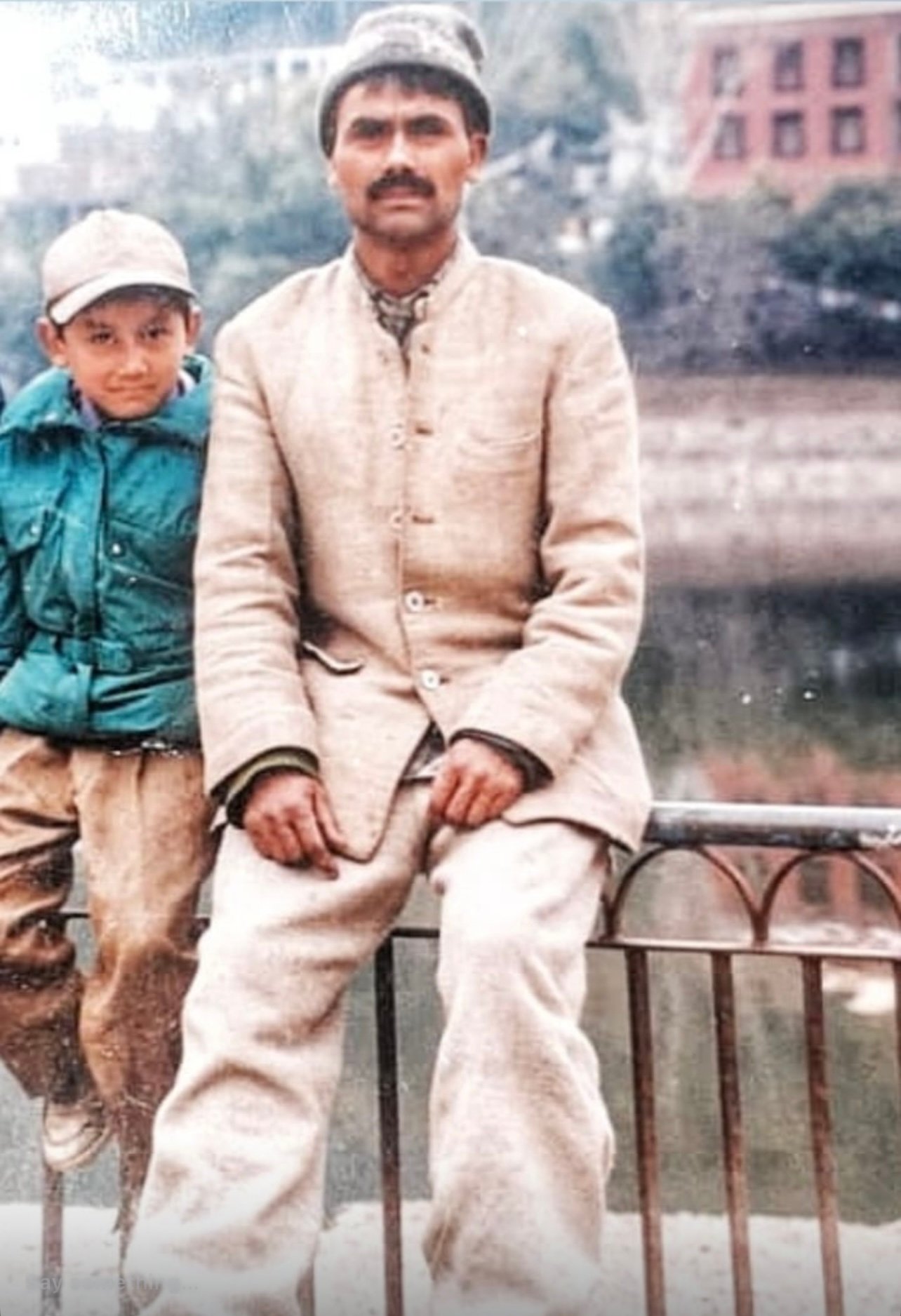
Father & Son Story – Oshi Nor
In a small village nestled among the majestic mountains of Kinnaur, there lived a young boy named Tashi. Every morning before sunrise, he would watch his father walk towards the fields with a wooden basket on his back and a gentle smile on his face.
While other children were still asleep, his father was already working among the apple trees, tending the crops, and caring for the land that had fed their family for generations.
As a child, Tanzin often followed him.
“Papa, why do you work so hard every day?” he would ask.
His father would smile, place his rough hand on Tanzin’s shoulder, and say,
“Because this soil is not just land, my son. It is our identity. Every apple tree here carries the dreams of our ancestors. Every seed we plant today is a gift for tomorrow.”
Then he would tell stories of the mountains, the rivers, the orchards, and the people who lived in harmony with nature.
Years passed.
Like many young people, Tanzin left the village to build a career in the city. The city was full of bright lights, tall buildings, busy roads, and endless opportunities.
Then he would tell stories of the mountains, the rivers, the orchards, and the people who lived in harmony with nature.
Years passed.
Like many young people, Tanzin left the village to build a career in the city. The city was full of bright lights, tall buildings, busy roads, and endless opportunities.
He found success.
But amidst the noise of city life, something always felt missing.
Whenever he closed his eyes, he remembered his father’s smile in the fields, the scent of fresh apples after harvest, the sound of the mountain winds, and the stories of the soil that had shaped his childhood.
One winter, after many years away, Tanzin returned home.
His father was older now.
The hands that once carried heavy baskets had become slower. The face that once stood strong under the mountain sun now carried the marks of time.
Yet every morning, his father still walked to the fields with the same smile.
Standing beside him among the apple trees, Tanzin looked around and realized something profound.
The wealth his father had built was not measured in money.
It was measured in honesty, hard work, tradition, and the love he had poured into the land.
That evening, as the sun disappeared behind the Himalayan peaks, Tanzin said,
“Papa, all these years I thought success was in the city. But now I understand. The greatest treasure was always here.”
His father smiled.
“The city can teach you how to earn a living, my son. But your roots teach you how to live.”
Inspired by his father’s lifelong dedication, Tanzin decided to bring the treasures of Kinnaur to the world. He wanted people everywhere to experience the purity of the mountains, the hard work of local farmers, and the authentic flavors of his homeland.
And so, Oshi Nor was born.
Not merely as a brand, but as a tribute to every father who works silently in the fields, every farmer who nurtures the land, and every child who carries the memories of home in their heart.
Today, every Oshi Nor product carries a piece of that story—
A father’s hard work.
A son’s dream.
And the timeless spirit of Kinnaur.
Oshi Nor – Rooted in Our Soil, Shared with the World.